
Instead, dive straight into the topics listed below:
1. The Importance of Regular Car Maintenance:
- Highlight the benefits: safety, longevity, fuel efficiency, cost savings, resale value.
- Address the consequences of neglecting maintenance: major repairs, accidents, depreciation.
2. Essential Tools and Equipment:
- Detail a beginner’s toolkit: wrench set, socket set, screwdriver set, pliers, tire pressure gauge, funnel, car jack, wheel chocks, jumper cables, OBD-II scanner.
- Explain the purpose of each tool and how it’s used in basic maintenance tasks.
- Suggest brands or specific models known for reliability and beginner-friendliness.
3. Checking and Maintaining Fluid Levels:
- Oil: checking the dipstick, understanding oil types and viscosity, importance of regular oil changes, adding oil.
- Coolant: checking the coolant reservoir, understanding coolant types (antifreeze), importance of coolant flushes, adding coolant.
- Brake Fluid: checking the brake fluid reservoir, understanding brake fluid types (DOT 3, DOT 4), importance of maintaining proper levels, visual inspection for leaks.
- Power Steering Fluid: checking the power steering fluid reservoir, understanding fluid types, importance of maintaining proper levels, identifying potential power steering problems.
- Windshield Washer Fluid: checking and refilling the reservoir, using appropriate washer fluid.
4. Tire Maintenance:
- Checking tire pressure: using a tire pressure gauge, understanding the recommended PSI (found on the doorjamb), importance of maintaining proper pressure.
- Tire tread: checking tread depth (using the penny test), understanding tire wear patterns, identifying potential alignment issues.
- Tire rotation: explaining the importance of tire rotation, common rotation patterns, frequency of rotation.
- Inspecting for damage: checking for cuts, bulges, and uneven wear.
5. Battery Maintenance:
- Visual inspection: checking for corrosion on the terminals, cleaning corroded terminals (baking soda and water solution).
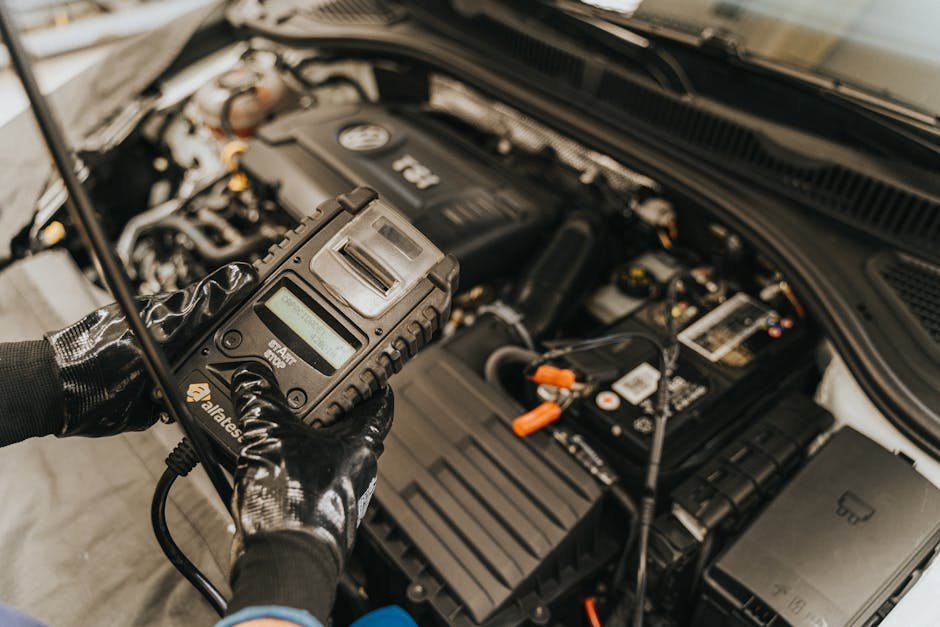
- Testing battery voltage: using a multimeter, understanding healthy voltage ranges.
- Jump-starting a car: using jumper cables safely, connecting the cables in the correct order.
- Maintaining battery terminals: applying a protective coating (terminal protector spray).
6. Brake System Inspection:
- Visual inspection of brake pads and rotors: checking for thickness of brake pads, looking for scoring or damage on the rotors.
- Listening for brake noises: identifying potential problems based on sounds (squealing, grinding).
- Understanding brake fluid leaks: identifying signs of a leak, importance of professional repair.
7. Replacing Windshield Wipers:
- Identifying the correct wiper size: using the owner’s manual or an online lookup tool.
- Removing old wipers: detaching the old wipers from the wiper arm.
- Installing new wipers: attaching the new wipers to the wiper arm, ensuring they are securely fastened.
8. Changing Air Filters:
- Engine air filter: locating the air filter housing, removing the old filter, installing the new filter, understanding the importance of clean air.
- Cabin air filter: locating the cabin air filter (usually behind the glove compartment), removing the old filter, installing the new filter, understanding the benefits of a clean cabin air filter.
9. Basic Car Washing and Detailing:
- Washing the exterior: using appropriate car wash soap, washing techniques (top to bottom), rinsing thoroughly.
- Cleaning the interior: vacuuming the seats and carpets, wiping down surfaces, using interior cleaner.
- Waxing the car: applying wax for protection and shine, using appropriate waxing techniques.
10. Recognizing Warning Signs and When to Seek Professional Help:
- Unusual noises: identifying the source of noises (engine, brakes, suspension).
- Dashboard warning lights: understanding the meaning of different warning lights (check engine, oil pressure, battery).
- Fluid leaks: identifying the type of fluid leaking, locating the source of the leak.
- Changes in performance: noticing a decrease in fuel efficiency, loss of power, or rough idling.
- Importance of consulting a mechanic for complex repairs.
1. The Importance of Regular Car Maintenance:
Regular car maintenance is the bedrock of safe, reliable, and economical vehicle ownership. Its significance reverberates through several crucial areas. Primarily, it directly impacts safety. Well-maintained brakes, properly inflated tires, and functioning lights are not luxuries, but essentials for preventing accidents. Regularly inspecting these systems ensures they perform optimally when needed most. A small investment in maintenance can prevent catastrophic outcomes.
Secondly, longevity is significantly enhanced by consistent upkeep. Just like any machine, a car benefits from regular attention and care. Changing the oil, replacing filters, and maintaining fluid levels prevent premature wear and tear on vital engine components. This translates into a car that lasts longer and performs better over its lifespan, saving you money in the long run by avoiding the need for early replacement.
Fuel efficiency is another key benefit. A neglected engine works harder and less efficiently. Clean air filters, properly inflated tires, and fresh oil contribute to optimal engine performance, leading to improved gas mileage. Over time, the savings at the pump can be substantial.
Cost savings extend beyond fuel efficiency. Preventative maintenance addresses minor issues before they escalate into major, expensive repairs. A leaky hose, if ignored, can lead to engine overheating and significant damage. Catching these problems early saves you from potentially debilitating repair bills down the line.
Finally, regular maintenance preserves your car’s resale value. A well-documented history of maintenance demonstrates that the car has been cared for, making it more attractive to potential buyers. A car with a clean service record commands a higher price than one with a history of neglect.
Neglecting car maintenance, on the other hand, carries serious consequences. Ignoring routine checks can lead to major repairs, often at exorbitant costs. A simple oil change skipped can lead to engine damage requiring a complete rebuild or replacement.
Furthermore, neglected maintenance can contribute to accidents. Worn tires, faulty brakes, or malfunctioning lights significantly increase the risk of collisions. The consequences of such accidents can be devastating, ranging from injuries to fatalities.
Finally, neglect leads to rapid depreciation. A car that’s not properly maintained will quickly lose its value. Rust, mechanical issues, and a poor overall appearance deter potential buyers and significantly lower the resale price.
2. Essential Tools and Equipment:
A basic toolkit empowers you to perform essential car maintenance tasks yourself, saving time and money. Here’s a breakdown of essential tools and their uses:
-
Wrench Set (Metric and SAE): Wrenches are indispensable for tightening and loosening nuts and bolts. A set including both metric and SAE (Standard American Engineering) sizes is crucial to handle various fasteners on your car. Consider a set with both open-end and box-end wrenches for different access needs. Brands like Craftsman or Gearwrench offer reliable sets for beginners.
-
Socket Set (Metric and SAE): Sockets, used with a ratchet, provide a more secure grip on nuts and bolts than wrenches, particularly in tight spaces. A good socket set should include a variety of sizes, both metric and SAE, along with a ratchet handle and extension bars. Look for a set with a 3/8-inch drive for versatility. Again, Craftsman or Gearwrench are excellent choices.
-
Screwdriver Set (Phillips and Flathead): Screwdrivers are essential for removing and installing screws. A set with both Phillips head and flathead screwdrivers in various sizes is a must-have. Look for screwdrivers with comfortable, ergonomic handles.
-
Pliers (Slip-Joint, Needle-Nose): Pliers are useful for gripping, bending, and cutting various materials. Slip-joint pliers are versatile for general tasks, while needle-nose pliers are ideal for reaching into tight spaces and manipulating small parts.
-
Tire Pressure Gauge: Maintaining proper tire pressure is crucial for safety and fuel efficiency. A tire pressure gauge allows you to accurately measure the pressure in your tires. Digital gauges are more precise and easier to read than analog gauges.
-
Funnel: A funnel is essential for pouring fluids, such as oil, coolant, and windshield washer fluid, without spills.
-
Car Jack: A car jack is needed to lift your car for tire changes and other maintenance tasks. Ensure the jack is rated for the weight of your vehicle and always use jack stands for safety. Hydraulic floor jacks are generally easier to use than scissor jacks.
-
Wheel Chocks: Wheel chocks are used to secure your car and prevent it from rolling when it’s jacked up. Always use wheel chocks on the wheels opposite the ones you’re working on.
-
Jumper Cables: Jumper cables are essential for jump-starting a car with a dead battery. Choose heavy-gauge cables for optimal performance and safety.
-
OBD-II Scanner: An OBD-II (On-Board Diagnostics II) scanner allows you to read diagnostic trouble codes from your car’s computer. This can help you identify potential problems and troubleshoot issues. Basic scanners are affordable and easy to use.
3. Checking and Maintaining Fluid Levels:
Maintaining proper fluid levels is critical for your car’s performance and longevity.
-
Oil: Check your oil level regularly, ideally before each long trip and at least once a month. To check the oil, park your car on a level surface and wait for the engine to cool down. Locate the dipstick (usually marked with an oil can symbol), pull it out, wipe it clean, reinsert it fully, and then pull it out again. The oil level should be between the “min” and “max” marks. If it’s low, add the correct type of oil (check your owner’s manual for the recommended viscosity, such as 5W-30 or 10W-30). Regular oil changes are crucial; follow the manufacturer’s recommended interval, typically every 3,000 to 7,500 miles, or as indicated by your car’s oil life monitoring system.
-
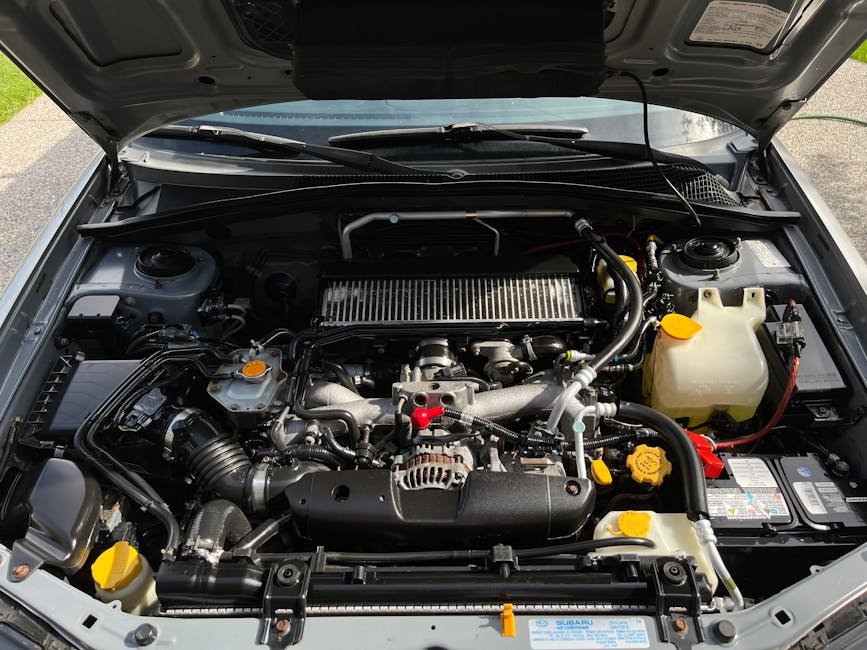
Coolant: Coolant (antifreeze) prevents your engine from overheating. Check the coolant level in the coolant reservoir (a translucent plastic container usually located near the engine). The level should be between the “min” and “max” marks when the engine is cold. Use the correct type of coolant (check your owner’s manual); mixing different types can damage your cooling system. A coolant flush is recommended every 2 to 5 years to remove accumulated debris and prevent corrosion.
-
Brake Fluid: Brake fluid is essential for the proper operation of your brakes. Check the brake fluid reservoir (usually located near the master cylinder) for the correct level. Use the recommended type of brake fluid (DOT 3, DOT 4, or DOT 5.1) as specified in your owner’s manual. Low brake fluid can indicate a leak in the system, which requires immediate attention. Visually inspect the brake lines and calipers for any signs of leaks.
-
Power Steering Fluid: Power steering fluid allows for easy steering. Check the power steering fluid reservoir (usually located near the power steering pump). The level should be between the “min” and “max” marks. Use the correct type of power steering fluid as specified in your owner’s manual. Low power steering fluid can cause noisy steering and difficulty turning the wheel.
-
Windshield Washer Fluid: Windshield washer fluid cleans your windshield, improving visibility. Check the windshield washer fluid reservoir and refill as needed. Use a dedicated windshield washer fluid, as water alone may freeze in cold weather and damage the system.
4. Tire Maintenance:
Proper tire maintenance is crucial for safety, fuel efficiency, and tire longevity.
-
Checking Tire Pressure: Use a tire pressure gauge to check your tire pressure at least once a month, and before long trips. The recommended PSI (pounds per square inch) is usually found on a sticker on the driver’s side doorjamb or in your owner’s manual. Inflate or deflate your tires to the recommended pressure when they are cold (before driving). Underinflated tires can lead to reduced fuel efficiency, uneven wear, and increased risk of blowouts. Overinflated tires can result in a harsh ride and reduced traction.
-
Tire Tread: Check your tire tread depth regularly. A simple test is the penny test: insert a penny upside down into a tire tread groove. If you can see all of Lincoln’s head, your tires are worn and need to be replaced. Uneven wear patterns, such as wear on the edges or in the center, can indicate alignment issues or improper inflation.
-
Tire Rotation: Tire rotation involves moving your tires to different positions on your car to ensure even wear. Common rotation patterns include front-to-rear or cross-rotation. Consult your owner’s manual for the recommended rotation pattern and frequency, typically every 5,000 to 8,000 miles.
-
Inspecting for Damage: Regularly inspect your tires for cuts, bulges, and uneven wear. A cut or bulge in the sidewall can be a sign of internal damage and can lead to a blowout. Replace any damaged tires immediately.
5. Battery Maintenance:
A healthy battery is essential for starting your car.
-
Visual Inspection: Regularly inspect your battery terminals for corrosion (a white or bluish-green substance).
-
Cleaning Corroded Terminals: Disconnect the battery cables (negative first), and clean the terminals with a mixture of baking soda and water, using a wire brush. Rinse thoroughly with water and dry.
-
Testing Battery Voltage: Use a multimeter to test your battery voltage. A fully charged battery should read around 12.6 volts. A reading below 12.4 volts indicates a weak battery.
-
Jump-Starting a Car: To jump-start a car, connect the red (positive) cable to the positive terminal of the dead battery, then connect the other end of the red cable to the positive terminal of the good battery. Connect the black (negative) cable to the negative terminal of the good battery, then connect the other end of the black cable to a metal, unpainted part of the engine block of the car with the dead battery (away from the battery). Start the car with the good battery, let it run for a few minutes, then try starting the car with the dead battery. Disconnect the cables in the reverse order.
-
Maintaining Battery Terminals: After cleaning the terminals, apply a thin coating of terminal protector spray or dielectric grease to prevent future corrosion.
6. Brake System Inspection:
Your brake system is crucial for safety.
-
Visual Inspection of Brake Pads and Rotors: Inspect the brake pads through the wheel spokes. The brake pads should have a sufficient amount of friction material remaining (at least 1/4 inch). Check the rotors for scoring, cracks, or excessive rust.
-
Listening for Brake Noises: Listen for unusual noises when braking. Squealing can indicate worn brake pads. Grinding can indicate that the brake pads are completely worn and the rotors are being damaged.
-
Understanding Brake Fluid Leaks: Look for signs of brake fluid leaks around the brake lines, calipers, and master cylinder. Brake fluid is usually clear or amber in color. A brake fluid leak requires immediate professional attention.
7. Replacing Windshield Wipers:
Windshield wipers ensure clear visibility in rain and snow.
-
Identifying the Correct Wiper Size: Consult your owner’s manual or an online lookup tool to determine the correct wiper blade size for your car.
-
Removing Old Wipers: Lift the wiper arm away from the windshield. Detach the old wiper blade from the wiper arm, usually by pressing a release tab or sliding it off.
-
Installing New Wipers: Attach the new wiper blade to the wiper arm, ensuring it clicks or locks into place securely.
8. Changing Air Filters:
Clean air filters are essential for engine performance and fuel efficiency.
-
Engine Air Filter: Locate the engine air filter housing (usually a black plastic box near the engine). Open the housing, remove the old filter, and install the new filter, ensuring it’s properly seated.
-
Cabin Air Filter: Locate the cabin air filter (usually behind the glove compartment). Remove the glove compartment, remove the old filter, and install the new filter, ensuring it’s properly oriented.
9. Basic Car Washing and Detailing:
Keeping your car clean protects the paint and enhances its appearance.
-
Washing the Exterior: Use a car wash soap (not dish soap) and a soft sponge or wash mitt. Wash the car from top to bottom, rinsing frequently.
-
Cleaning the Interior: Vacuum the seats and carpets to remove dirt and debris. Wipe down surfaces with an interior cleaner.
-
Waxing the Car: Apply a thin layer of wax to protect the paint and add shine. Use a clean applicator pad and follow the manufacturer’s instructions.
10. Recognizing Warning Signs and When to Seek Professional Help:
Knowing when to seek professional help is crucial.
-
Unusual Noises: Pay attention to unusual noises from the engine, brakes, or suspension.
-
Dashboard Warning Lights: Understand the meaning of different warning lights (check engine, oil pressure, battery).
-
Fluid Leaks: Identify the type of fluid leaking and locate the source of the leak.
-
Changes in Performance: Notice a decrease in fuel efficiency, loss of power, or rough idling.
-
Consult a mechanic for complex repairs such as engine work, transmission repairs, or electrical issues. Never hesitate to seek professional help when in doubt.






Leave a Reply