
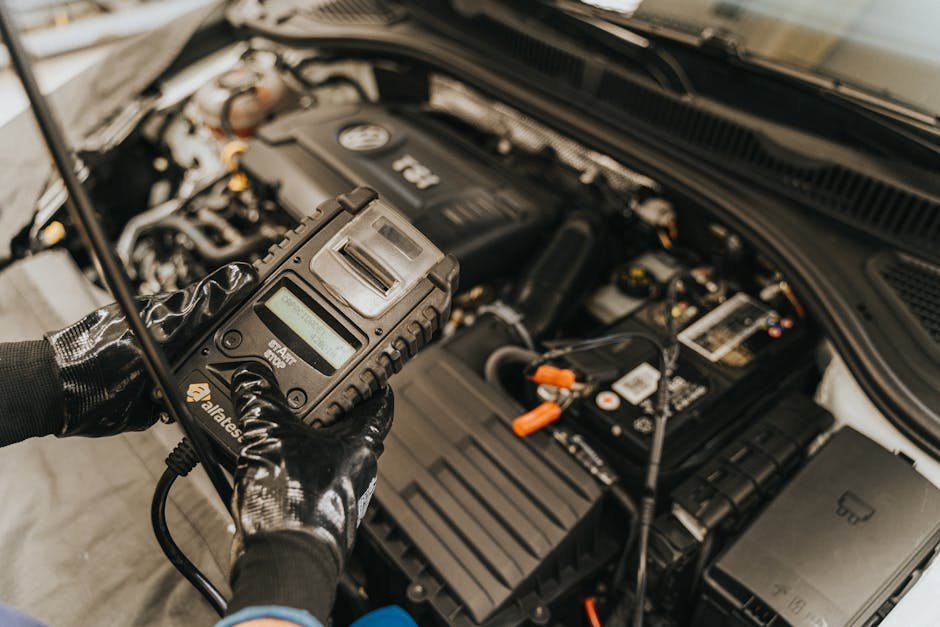
Understanding Your Engine: The Foundation of Longevity
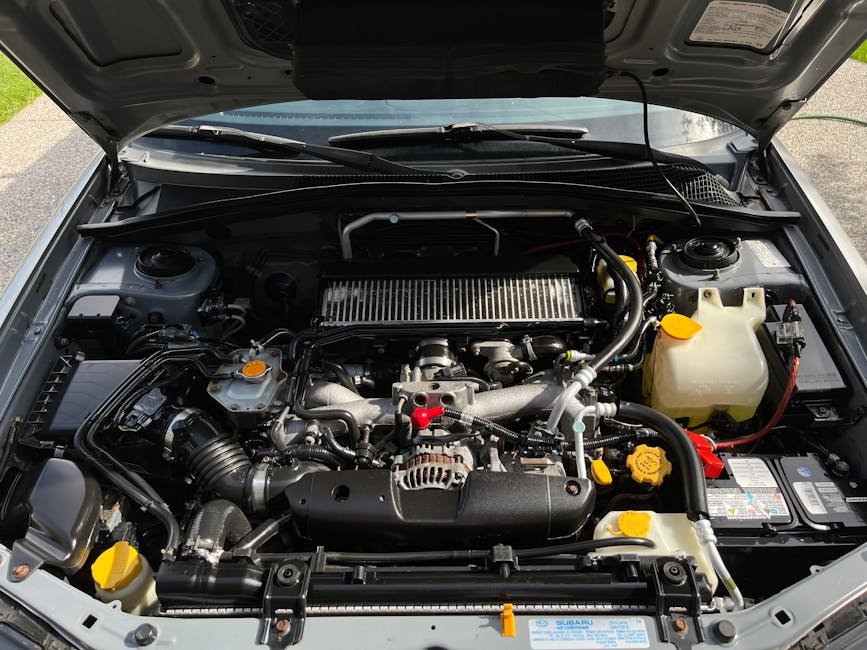
Before diving into specific maintenance tips, understanding the fundamentals of your car engine is crucial. An internal combustion engine is a complex system reliant on precise timing and cooperation between numerous components. From the air intake to the exhaust, each part plays a vital role in converting fuel into motion. Neglecting even seemingly minor issues can trigger a cascade of problems, leading to costly repairs and potentially premature engine failure. Familiarize yourself with the basic engine layout, the purpose of key components like the pistons, crankshaft, camshaft, and valves, and how they interact. This knowledge empowers you to better understand your car’s needs and recognize potential problems early on. Your owner’s manual is an excellent resource for this information, specific to your vehicle’s make and model.
Oil: The Lifeblood of Your Engine – Changing it Correctly
Engine oil is arguably the single most important fluid in your vehicle. It lubricates moving parts, reduces friction, dissipates heat, and carries away contaminants. Over time, oil degrades and becomes less effective, leading to increased wear and tear. Following the manufacturer’s recommended oil change intervals is paramount, but consider adjusting these intervals based on your driving habits. Frequent short trips, stop-and-go traffic, and towing heavy loads can accelerate oil degradation.
When changing your oil, always use the correct type and viscosity specified in your owner’s manual. Using the wrong oil can negatively impact engine performance and longevity. Fully synthetic oils offer superior protection and longer intervals compared to conventional oils, but they are also more expensive. Consider the trade-offs based on your budget and driving needs.
Beyond the oil itself, always replace the oil filter during each oil change. A clogged or inefficient filter restricts oil flow and allows contaminants to circulate, defeating the purpose of the fresh oil. Choose a high-quality filter from a reputable brand to ensure optimal filtration. When draining the old oil, make sure the engine is warm (but not hot) to allow it to flow more freely. Properly dispose of the used oil and filter at a designated recycling center.
Cooling System Care: Preventing Overheating and Damage
The cooling system is responsible for maintaining a stable engine temperature, preventing overheating and potential damage. A properly functioning cooling system is essential for efficient combustion and long engine life. Key components include the radiator, water pump, thermostat, hoses, and coolant.
Regularly check the coolant level in the overflow reservoir and add coolant as needed. Use the correct type of coolant specified in your owner’s manual; mixing different types can lead to corrosion and reduced cooling efficiency. Periodically inspect the hoses for cracks, leaks, and swelling. Replace any damaged hoses immediately.
The thermostat regulates coolant flow and engine temperature. A faulty thermostat can cause overheating or prevent the engine from reaching its optimal operating temperature. If you suspect a thermostat issue, have it inspected and replaced by a qualified mechanic.
The radiator can become clogged with debris, reducing its cooling capacity. Clean the radiator fins regularly with a soft brush and water. Consider having the cooling system flushed and refilled every few years to remove accumulated sediment and contaminants. Ensure the radiator cap is in good condition and seals properly to maintain proper system pressure.
Air Filtration: Ensuring Clean Air for Efficient Combustion
The engine air filter prevents dirt, dust, and debris from entering the engine, protecting sensitive components from damage. A clean air filter ensures optimal airflow, which is crucial for efficient combustion and engine performance.
Check the air filter regularly and replace it as needed, typically every 12,000 to 15,000 miles or more frequently if you drive in dusty conditions. A dirty air filter restricts airflow, reducing fuel economy and potentially damaging the engine.
When replacing the air filter, choose a high-quality filter that meets or exceeds the manufacturer’s specifications. Ensure the filter is properly installed and sealed to prevent unfiltered air from entering the engine. Consider using a reusable air filter, which can be cleaned and reused multiple times, reducing waste and saving money in the long run.
Spark Plugs and Ignition System: Optimizing Combustion
Spark plugs ignite the air-fuel mixture in the cylinders, initiating the combustion process. Over time, spark plugs wear down, leading to reduced engine performance, decreased fuel economy, and potential misfires.
Replace spark plugs according to the manufacturer’s recommended interval, typically every 30,000 to 100,000 miles, depending on the type of spark plugs used. Inspect the spark plugs for wear, damage, and fouling. The appearance of the spark plugs can provide valuable insights into the engine’s condition.
Ensure the ignition system components, such as the ignition coils and wires, are in good condition. Damaged or worn ignition components can lead to weak spark and misfires. Have the ignition system inspected and repaired as needed.
Fuel System Maintenance: Keeping Fuel Delivery Clean and Efficient
The fuel system delivers fuel to the engine for combustion. Maintaining a clean and efficient fuel system is essential for optimal engine performance and fuel economy.
Use high-quality fuel from reputable gas stations. Avoid using fuel with high ethanol content if it is not recommended for your vehicle. Consider using a fuel system cleaner periodically to remove deposits and keep the fuel injectors clean.
Replace the fuel filter according to the manufacturer’s recommended interval. A clogged fuel filter restricts fuel flow, reducing engine performance and potentially damaging the fuel pump.
Inspect the fuel lines and fuel tank for leaks. Fuel leaks are a fire hazard and should be addressed immediately.
Regular Inspections and Preventative Maintenance: Catching Problems Early
Regular inspections and preventative maintenance are crucial for identifying potential problems early on, before they escalate into costly repairs.
Listen to your engine. Unusual noises, such as knocking, ticking, or hissing, can indicate underlying problems. Pay attention to changes in engine performance, such as reduced power, rough idling, or decreased fuel economy.
Check all fluid levels regularly, including engine oil, coolant, brake fluid, power steering fluid, and transmission fluid. Top up fluids as needed and investigate any significant fluid loss.
Visually inspect the engine compartment for leaks, cracks, and other signs of damage. Check the belts and hoses for wear and tear.
Keep your car clean. A clean engine bay allows you to more easily spot leaks and other potential problems.
Addressing Issues Promptly: Preventing Escalation
When you notice a problem with your engine, address it promptly. Ignoring minor issues can lead to more significant and costly repairs down the road.
Consult a qualified mechanic for diagnosis and repair. Attempting to repair complex engine problems without the proper knowledge and tools can be dangerous and potentially cause further damage.
Keep detailed records of all maintenance and repairs performed on your vehicle. This information can be valuable for tracking trends and identifying potential problems early on.
By following these tips and prioritizing regular maintenance, you can keep your car engine running smoothly for years to come, saving you money on repairs and ensuring a reliable and enjoyable driving experience.






Leave a Reply