
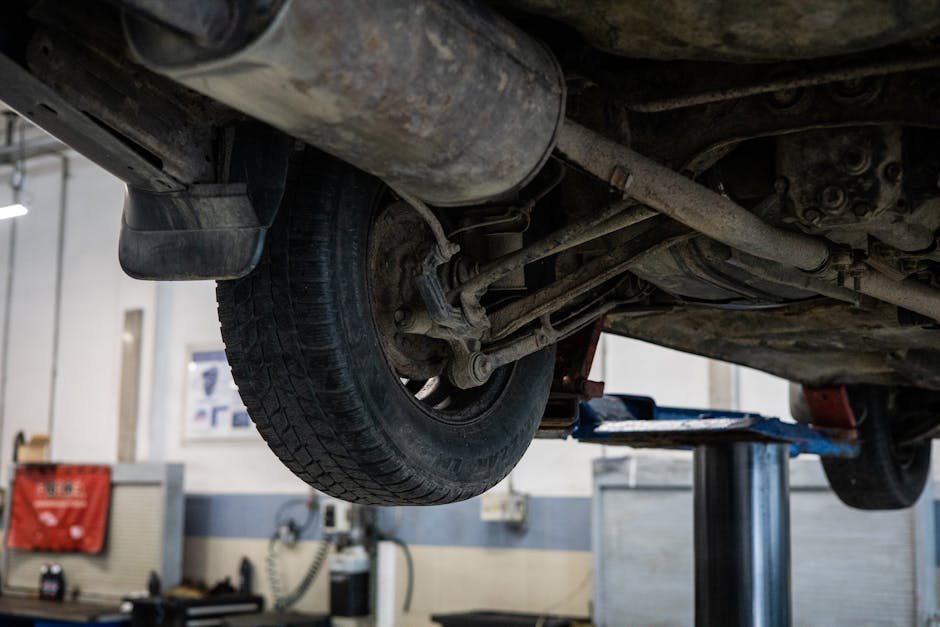
Understanding Your Car Engine’s Needs: The Foundation of Longevity
The heart of your vehicle, the engine, demands proactive care to ensure optimal performance and longevity. Neglecting routine maintenance can lead to costly repairs and diminished resale value. This comprehensive guide delves into essential engine maintenance tips, providing you with the knowledge to keep your car running smoothly for years to come.
Oil Changes: The Lifeblood of Your Engine
Oil serves as the engine’s lifeblood, lubricating moving parts, reducing friction, and dissipating heat. Regular oil changes are paramount. Refer to your owner’s manual for the manufacturer’s recommended oil change interval, typically ranging from 3,000 to 7,500 miles depending on the type of oil used (conventional, synthetic blend, or full synthetic) and driving conditions.
- Choosing the Right Oil: Selecting the correct oil viscosity and grade is crucial. Your owner’s manual specifies the recommended oil type, often denoted by a code like “5W-30.” This indicates the oil’s viscosity at different temperatures. Using the wrong oil can impede lubrication and potentially damage the engine.
- The Importance of the Oil Filter: Always replace the oil filter during an oil change. The filter traps contaminants that can circulate and cause wear. Choose a high-quality oil filter that meets or exceeds the manufacturer’s specifications.
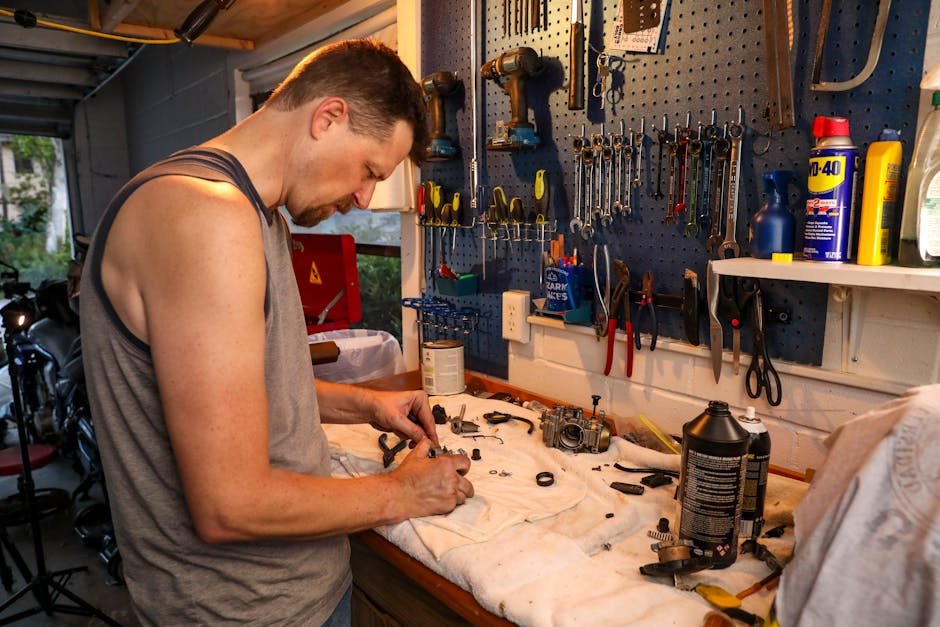
- DIY Oil Change vs. Professional Service: Performing an oil change yourself can save money, but requires the proper tools and knowledge. Alternatively, a professional oil change service offers convenience and ensures proper disposal of used oil and filter.
- Monitoring Oil Levels: Regularly check your oil level between oil changes using the dipstick. Low oil levels can lead to severe engine damage. Add oil as needed, using the same type specified in your owner’s manual.
Cooling System Maintenance: Preventing Overheating
The cooling system regulates engine temperature, preventing overheating and potential damage. Proper maintenance is crucial, especially during hot weather.
- Coolant Flush and Fill: Over time, coolant can become contaminated with rust, scale, and other debris, reducing its effectiveness. Schedule a coolant flush and fill according to your owner’s manual’s recommendations (typically every 30,000 to 50,000 miles). This involves draining the old coolant, flushing the system, and refilling it with fresh coolant.
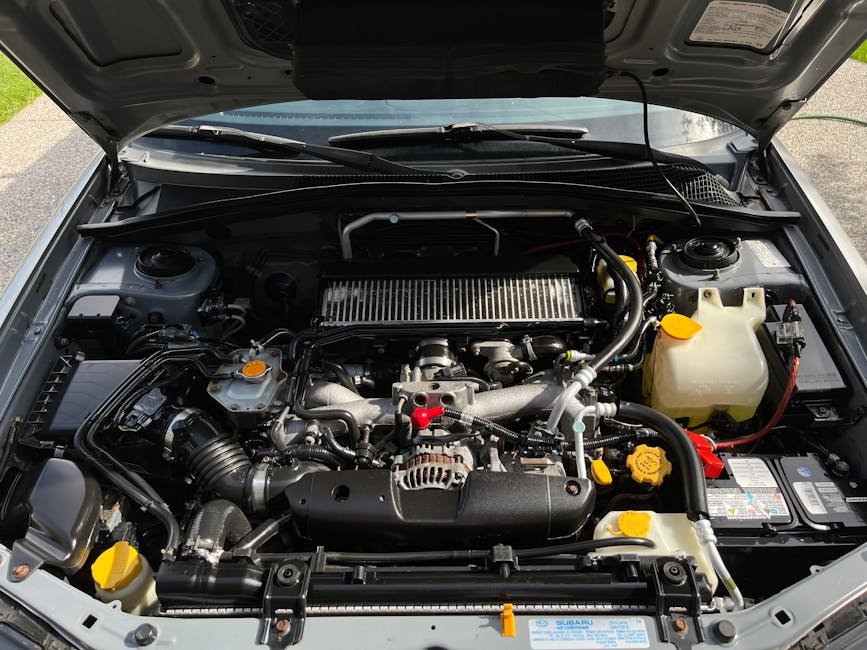
- Checking Coolant Levels: Regularly check the coolant level in the reservoir when the engine is cool. Low coolant levels can indicate a leak. If you notice frequent coolant loss, inspect the radiator, hoses, and water pump for leaks.
- Inspecting Hoses and Belts: Hoses and belts are vital components of the cooling system. Inspect them regularly for cracks, leaks, and signs of wear. Replace them as needed to prevent breakdowns.
- Radiator Cap Inspection: The radiator cap maintains pressure within the cooling system. Inspect the cap for damage and ensure it seals properly. A faulty radiator cap can lead to coolant loss and overheating.
- Water Pump Maintenance: The water pump circulates coolant throughout the engine. Listen for unusual noises from the water pump, such as whining or grinding, which can indicate a failing pump.
Air Filter Replacement: Ensuring Efficient Combustion
The air filter prevents dirt and debris from entering the engine, ensuring clean air for combustion. A clogged air filter restricts airflow, reducing engine performance and fuel efficiency.
- Replacement Intervals: Replace the air filter according to your owner’s manual’s recommendations (typically every 12,000 to 15,000 miles or annually, whichever comes first).
- Visual Inspection: Regularly inspect the air filter for dirt and debris. If it appears heavily soiled, replace it even if it’s not due for replacement.
- Choosing the Right Air Filter: Select an air filter that meets or exceeds the manufacturer’s specifications. High-performance air filters may offer improved airflow, but can sometimes compromise filtration.
Spark Plug Maintenance: Igniting the Fuel Mixture
Spark plugs ignite the air-fuel mixture in the engine cylinders, initiating the combustion process. Worn or fouled spark plugs can lead to misfires, reduced performance, and poor fuel economy.
- Replacement Intervals: Replace spark plugs according to your owner’s manual’s recommendations. The replacement interval varies depending on the type of spark plug used (conventional, platinum, or iridium).
- Visual Inspection: Inspect spark plugs for wear, damage, and fouling. Common problems include cracked insulators, worn electrodes, and carbon buildup.
- Gapping Spark Plugs: Ensure spark plugs are properly gapped according to the manufacturer’s specifications. The gap is the distance between the electrode and the ground electrode. Incorrect gapping can affect spark plug performance.
- Choosing the Right Spark Plugs: Select spark plugs that are specifically designed for your vehicle’s engine. Using the wrong spark plugs can damage the engine.
Fuel System Maintenance: Delivering Clean Fuel
The fuel system delivers fuel to the engine. Maintaining a clean fuel system ensures optimal performance and fuel efficiency.
- Fuel Filter Replacement: The fuel filter removes contaminants from the fuel, preventing them from entering the engine. Replace the fuel filter according to your owner’s manual’s recommendations.
- Fuel Injector Cleaning: Fuel injectors can become clogged with deposits over time, reducing their effectiveness. Consider using a fuel injector cleaner periodically to remove deposits and improve fuel atomization. Professional fuel injector cleaning services are also available.
- Avoiding Running on Empty: Consistently running the fuel tank near empty can draw sediment and debris from the bottom of the tank into the fuel system, clogging the fuel filter and injectors.
Other Essential Maintenance Tasks
- Timing Belt/Chain Inspection and Replacement: The timing belt or chain synchronizes the crankshaft and camshaft, controlling the timing of the engine’s valves. Replace the timing belt according to your owner’s manual’s recommendations to prevent catastrophic engine damage. Many modern engines use timing chains, which are designed to last the life of the engine, but should still be inspected periodically for wear.
- Valve Adjustment: Over time, the valve clearances in the engine can change, affecting performance and fuel economy. Consult your owner’s manual to determine if valve adjustments are required for your vehicle.
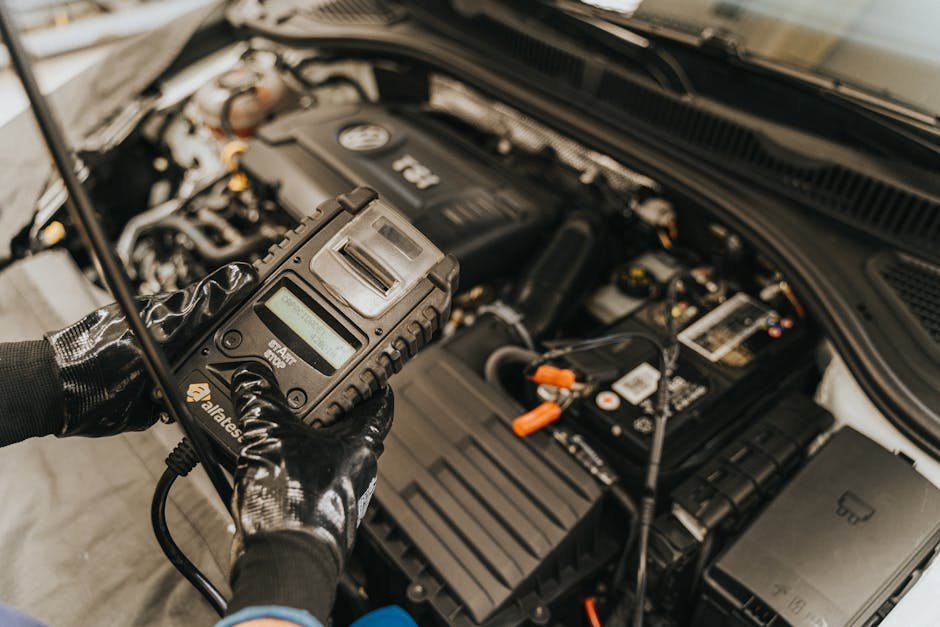
- Engine Diagnostic Checks: Regularly schedule engine diagnostic checks to identify potential problems early. Diagnostic checks can reveal hidden issues that may not be apparent during normal driving. Modern vehicles store fault codes that can be read with a diagnostic scanner.
- Keep It Clean: A clean engine bay helps identify leaks and prevents overheating by allowing for better heat dissipation. Periodically clean the engine bay with a degreaser and water, being careful to avoid sensitive electrical components.
By following these essential engine maintenance tips, you can significantly extend the life of your engine, improve its performance, and save money on costly repairs in the long run. Proactive maintenance is the key to a healthy and reliable vehicle.






Leave a Reply