
Understanding Your Vehicle: A Foundation for Car Maintenance
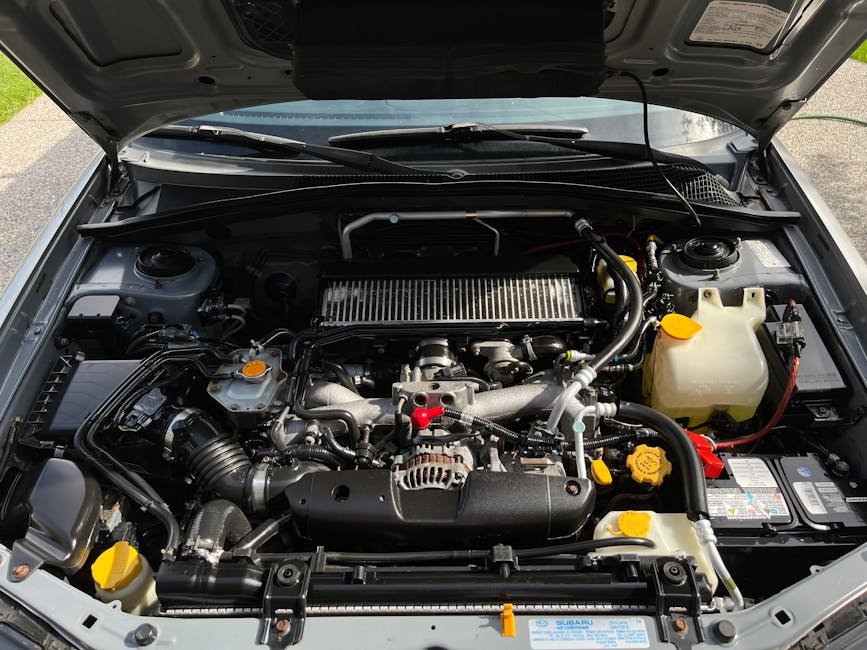
Before diving into specific tasks, a fundamental understanding of your car’s components is crucial. Consult your owner’s manual religiously. It’s not just a collection of warnings; it contains vital information about your car’s recommended maintenance schedule, fluid types, tire pressures, and even basic troubleshooting steps. Familiarize yourself with the location of key components like the engine oil dipstick, coolant reservoir, brake fluid reservoir, power steering fluid reservoir (if applicable), windshield washer fluid reservoir, battery, air filter box, and fuse box. Knowing these locations allows you to perform routine checks quickly and efficiently.
Furthermore, learn the basic terminology. Understand the difference between “engine coolant” and “radiator coolant.” Know what “synthetic oil” means and its benefits. Recognizing these terms makes researching maintenance procedures and purchasing the correct parts much easier. Websites like manufacturer’s support pages, reputable auto parts stores’ online resources, and independent automotive forums offer a wealth of information. However, always cross-reference information from multiple sources to ensure accuracy.
Essential Fluids: The Lifeblood of Your Car
Maintaining proper fluid levels is paramount for a healthy and reliable car. Each fluid serves a specific purpose, and neglecting them can lead to significant (and expensive) damage.
-
Engine Oil: The engine oil lubricates moving parts, reduces friction, and helps cool the engine. Regularly check the oil level using the dipstick. The dipstick typically has “MIN” and “MAX” markings. Ensure the oil level falls between these marks. If it’s low, add the appropriate type and viscosity of oil as specified in your owner’s manual. Oil changes should be performed according to the manufacturer’s recommendations, typically every 3,000-7,500 miles for conventional oil and 5,000-10,000 miles for synthetic oil. Consider the driving conditions, as heavy-duty use (frequent stop-and-go traffic, towing, or off-roading) may warrant more frequent changes. Always dispose of used oil responsibly at a designated recycling center.
-
Engine Coolant: Coolant (also known as antifreeze) regulates the engine’s temperature, preventing overheating in summer and freezing in winter. Check the coolant level in the reservoir when the engine is cold. The level should be near the “MAX” mark. If it’s low, add the correct type of coolant, mixed with distilled water according to the manufacturer’s recommendations. Avoid using tap water, as it contains minerals that can corrode the cooling system. Inspect the coolant hoses for cracks or leaks. If you notice any signs of rust or corrosion in the coolant, it’s time for a coolant flush.
-
Brake Fluid: Brake fluid is responsible for transmitting pressure from the brake pedal to the brake calipers, enabling the car to stop. The brake fluid level should be checked regularly in the reservoir, typically located near the master cylinder. Low brake fluid can indicate a leak or worn brake pads. Brake fluid absorbs moisture over time, which can reduce its effectiveness and lead to corrosion. Therefore, it’s recommended to flush and replace the brake fluid every two years or as specified in your owner’s manual. Always use the correct type of brake fluid, as different types are incompatible.
-
Power Steering Fluid: (If applicable): Power steering fluid helps provide power assist for easier steering. Check the fluid level in the reservoir, typically located near the power steering pump. Low fluid can cause noisy steering and difficulty turning the wheel. Add the correct type of fluid as needed. Leaks in the power steering system should be addressed promptly.
-
Windshield Washer Fluid: This fluid cleans the windshield, improving visibility. Check the fluid level in the reservoir and refill it as needed. Use a washer fluid specifically designed for automotive use, as it contains detergents that help remove grime and bugs.
Tires: Ensuring Safety and Performance
Tires are your car’s only contact with the road, so maintaining them properly is crucial for safety and performance.
-
Tire Pressure: Check the tire pressure regularly using a tire pressure gauge. The recommended tire pressure is typically found on a sticker inside the driver’s side doorjamb or in your owner’s manual. Inflate or deflate the tires as needed to reach the recommended pressure. Underinflated tires can lead to reduced fuel efficiency, uneven wear, and increased risk of blowouts. Overinflated tires can result in a harsh ride and decreased traction. Check the pressure when the tires are cold, as the pressure increases as the tires heat up from driving.
-
Tire Tread: Check the tire tread depth using a tread depth gauge or the “penny test.” Insert a penny upside down into the tread groove. If you can see all of Lincoln’s head, the tread is too low, and the tires need to be replaced. Low tread depth reduces traction, especially in wet or snowy conditions.
-
Tire Rotation: Rotate your tires regularly, typically every 5,000-7,500 miles, to promote even wear. Tire rotation involves moving the tires from one position to another on the car. The specific rotation pattern depends on the vehicle’s drivetrain (front-wheel drive, rear-wheel drive, or all-wheel drive).
-
Tire Alignment: Proper wheel alignment is essential for even tire wear and optimal handling. Misalignment can cause premature tire wear, pulling to one side, and a crooked steering wheel. If you notice any of these symptoms, have your car’s alignment checked and adjusted by a qualified mechanic.
Filters: Keeping Things Clean
Filters play a vital role in protecting your car’s engine and cabin environment.
-
Engine Air Filter: The engine air filter prevents dirt and debris from entering the engine. A dirty air filter can reduce engine performance and fuel efficiency. Inspect the air filter regularly and replace it as needed, typically every 12,000-15,000 miles or more frequently in dusty environments.
-
Cabin Air Filter: The cabin air filter cleans the air that enters the passenger compartment, removing dust, pollen, and other allergens. A clogged cabin air filter can reduce airflow and contribute to musty odors. Replace the cabin air filter every 12,000-15,000 miles or as needed.
-
Fuel Filter: The fuel filter prevents contaminants from entering the engine’s fuel system. A clogged fuel filter can cause poor engine performance and difficulty starting. Fuel filter replacement intervals vary depending on the vehicle. Consult your owner’s manual for recommendations.
Basic Visual Inspections:
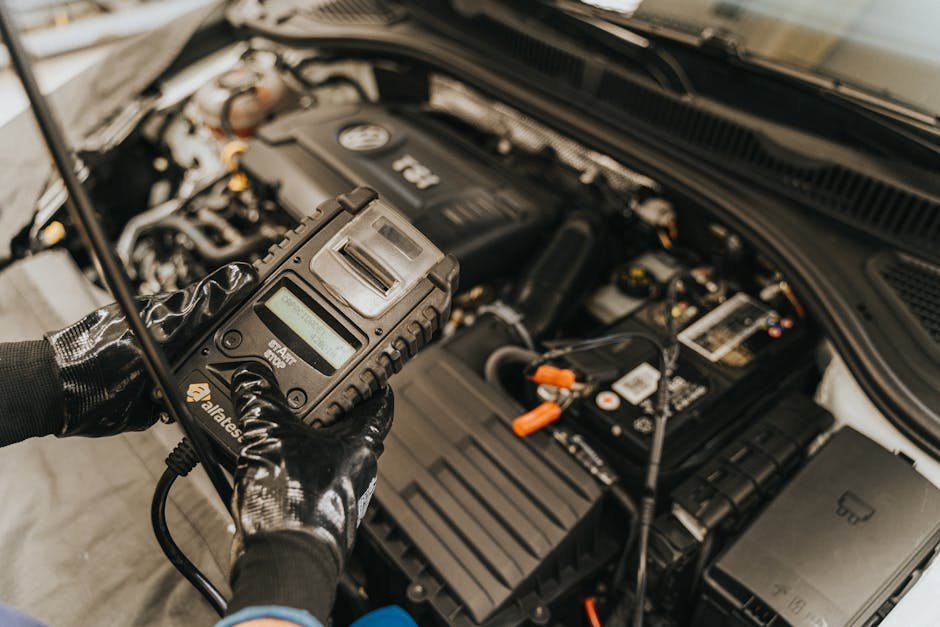
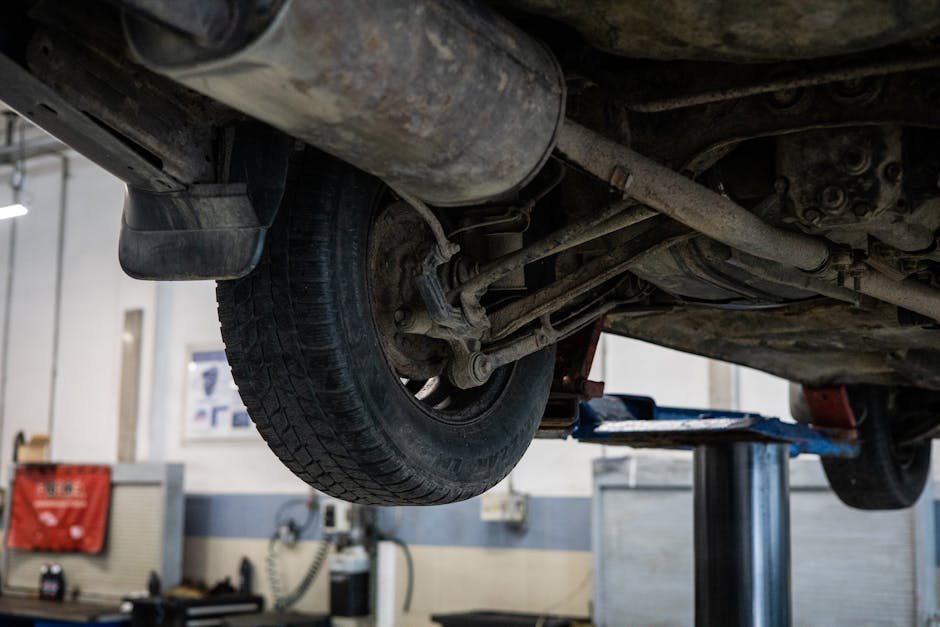
Regularly perform visual inspections of your vehicle to catch potential problems early. Check for leaks under the car. Inspect the belts and hoses for cracks or damage. Ensure all lights are working properly, including headlights, taillights, brake lights, and turn signals. Check the condition of the battery terminals and clean them if necessary. Listen for unusual noises, such as squealing brakes or a grinding noise from the engine. Addressing small issues promptly can prevent them from escalating into major repairs.
Essential Tools and Supplies:
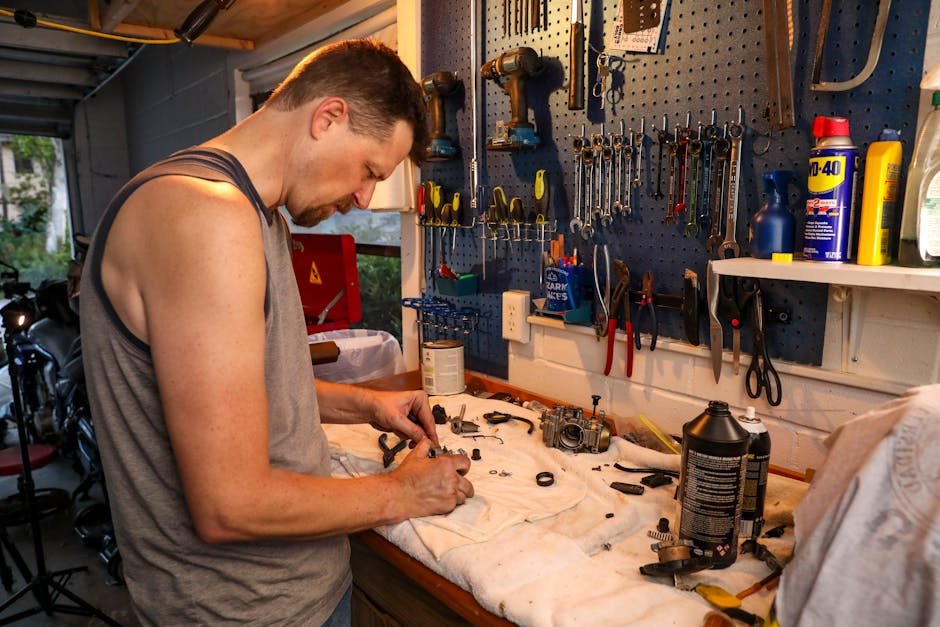
Having a basic set of tools and supplies can make car maintenance tasks easier and more efficient. A basic toolkit should include wrenches, sockets, screwdrivers, pliers, a tire pressure gauge, a jack, and jack stands. You’ll also need essential supplies like engine oil, coolant, brake fluid, washer fluid, rags, and gloves.






Leave a Reply