

DIY Car Maintenance: Saving Money and Time
Oil Changes: The Heart of Longevity
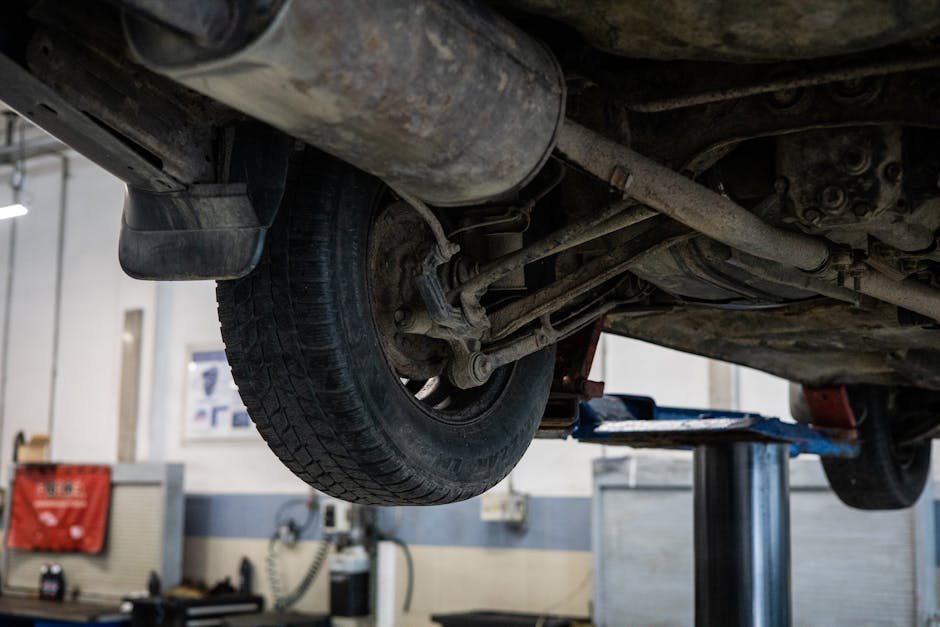
The single most crucial maintenance task is the oil change. Regular oil changes ensure proper lubrication, preventing engine wear and tear. Delaying this simple procedure can lead to costly repairs down the line. To perform an oil change, you’ll need: the correct type and amount of engine oil (check your owner’s manual), an oil filter wrench, a new oil filter, a drain pan, a wrench for the drain plug, a funnel, and gloves. Jack up the car safely, using jack stands for security. Locate the oil drain plug and position the drain pan beneath it. Loosen and remove the drain plug, allowing the old oil to drain completely. While the oil is draining, remove the old oil filter using the oil filter wrench. Lightly lubricate the rubber gasket of the new oil filter with fresh oil and screw it on hand-tight. Replace the drain plug with a new crush washer and tighten it to the manufacturer’s specified torque. Lower the car and add the correct amount of new oil using the funnel. Check the oil level using the dipstick and add more if needed. Start the engine and let it run for a few minutes, checking for leaks around the drain plug and oil filter. Dispose of the old oil responsibly at a designated recycling center.
Tire Rotations: Even Wear, Longer Life
Tire rotations ensure even wear across all four tires, extending their lifespan and improving handling. Uneven wear can result in premature tire replacement and compromised safety. Consult your owner’s manual or a tire shop to determine the correct rotation pattern for your vehicle (e.g., front-to-back, X-pattern). You’ll need a lug wrench, a jack, jack stands, and optionally, a torque wrench. Loosen the lug nuts on the wheels you’ll be removing while the car is still on the ground. Jack up the car and secure it with jack stands. Completely remove the lug nuts and the wheel. Rotate the tires according to the recommended pattern. Reinstall the wheels, hand-tightening the lug nuts in a star pattern. Lower the car and torque the lug nuts to the manufacturer’s specified torque using a torque wrench.
Air Filter Replacement: Breathe Easy, Perform Well
A clean air filter ensures optimal engine performance and fuel efficiency. A clogged air filter restricts airflow, forcing the engine to work harder and reducing gas mileage. Replacing the air filter is a quick and easy task. Locate the air filter housing, typically a rectangular box near the engine. Open the housing, remove the old air filter, and replace it with a new one of the correct size and type. Ensure the filter is properly seated in the housing before closing and securing the cover.
Spark Plug Replacement: Ignite Performance
Spark plugs ignite the air-fuel mixture in the engine’s cylinders. Worn or fouled spark plugs can cause misfires, reduced fuel efficiency, and poor acceleration. To replace spark plugs, you’ll need a spark plug socket, a ratchet, an extension, a torque wrench, a gapping tool, and new spark plugs. Disconnect the spark plug wire from each spark plug, one at a time. Use the spark plug socket and ratchet to remove the old spark plug. Before installing the new spark plug, check and adjust the gap using a gapping tool according to the manufacturer’s specifications. Gently thread the new spark plug into the cylinder head by hand to avoid cross-threading. Tighten the spark plug to the manufacturer’s specified torque using a torque wrench. Reconnect the spark plug wire. Repeat this process for each spark plug.
Windshield Wiper Replacement: See Clearly, Drive Safely
Clear visibility is crucial for safe driving. Worn or damaged windshield wipers can streak, smear, and reduce visibility, especially in inclement weather. Replacing windshield wipers is a simple and straightforward process. Lift the wiper arm away from the windshield. Locate the release mechanism on the wiper blade and detach the old blade. Attach the new wiper blade to the wiper arm, ensuring it clicks securely into place. Repeat this process for the other wiper blade.
Battery Maintenance: Keep the Power On
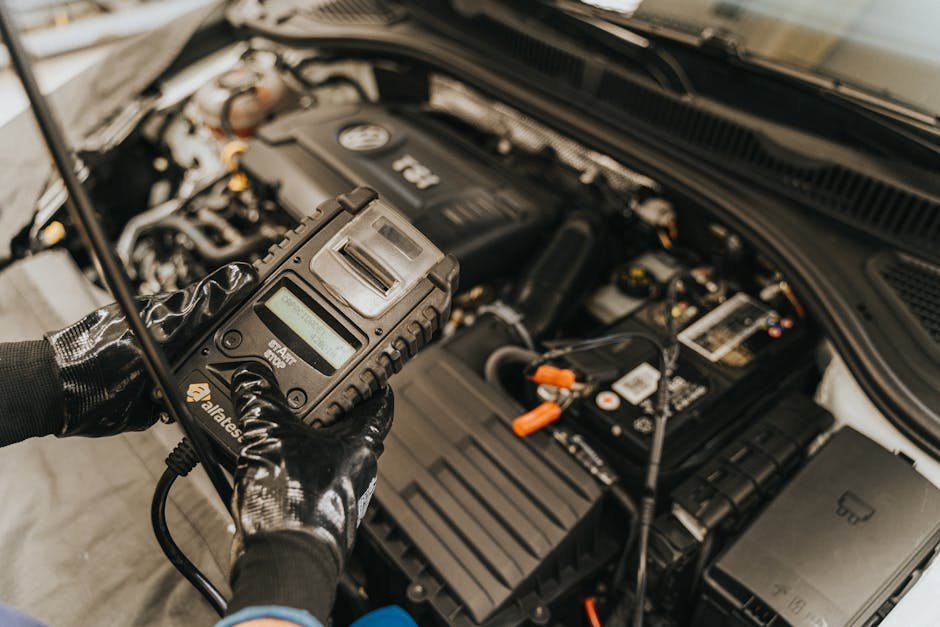
A healthy battery is essential for starting the car and powering its electrical systems. Battery terminals can corrode over time, hindering electrical conductivity. To clean battery terminals, you’ll need baking soda, water, a wire brush, gloves, and eye protection. Disconnect the negative terminal first, followed by the positive terminal. Mix baking soda and water to form a paste. Apply the paste to the corroded terminals and let it sit for a few minutes. Scrub the terminals with a wire brush to remove the corrosion. Rinse the terminals with water and dry them thoroughly. Reconnect the positive terminal first, followed by the negative terminal. Apply a terminal protectant to prevent future corrosion.
Fluid Checks: The Lifeblood of Your Vehicle
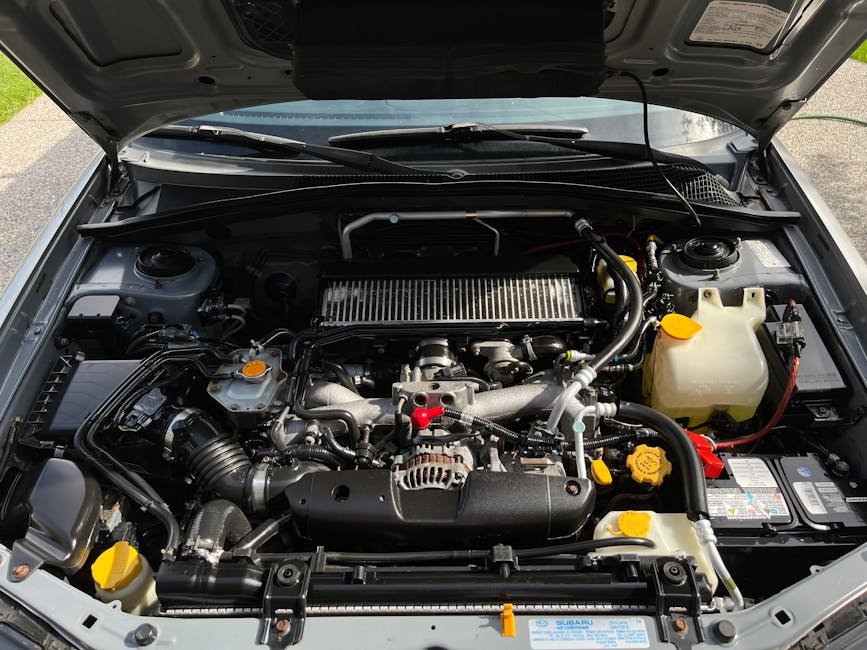
Regularly checking fluid levels is essential for maintaining proper vehicle function. Check the engine oil, coolant, brake fluid, power steering fluid, and transmission fluid levels regularly. Consult your owner’s manual for the location of the fluid reservoirs and the proper procedure for checking each fluid. Top off fluids as needed, using the correct type of fluid specified in your owner’s manual.
Brake Pad Inspection: Stop Safely
Brake pads are critical for safe stopping. Worn brake pads can reduce braking performance and damage the brake rotors. Periodically inspect the brake pads for wear. You may be able to visually inspect the brake pads through the wheel without removing it. If the brake pads are worn down to the wear indicator, it’s time to replace them. Brake pad replacement is a more complex task that may require specialized tools and knowledge. If you’re not comfortable performing this task yourself, it’s best to take your car to a qualified mechanic.
Washer Fluid Refill: Clear View Always
Maintaining adequate windshield washer fluid ensures a clear view in all weather conditions. Locate the windshield washer fluid reservoir, typically marked with a windshield wiper symbol. Check the fluid level and add more washer fluid as needed. Use a washer fluid formulated for your climate to prevent freezing in cold weather.
Learning Resources: Empowering Your DIY Journey
Numerous resources are available to help you learn more about DIY car maintenance. Online tutorials, videos, and forums can provide step-by-step instructions and troubleshooting tips. Your vehicle’s owner’s manual is also a valuable source of information. Consider taking an automotive maintenance course at a local community college or vocational school to gain hands-on experience and knowledge. Remember safety first, always refer to your car’s manual and use reliable sources of information.






Leave a Reply