

Here’s a 1000-word article on improving car fuel efficiency:
Tires: The Foundation of Fuel Savings
Proper tire inflation is paramount to optimizing fuel economy. Underinflated tires create more rolling resistance, forcing your engine to work harder and consume more fuel. Check your tire pressure regularly – ideally weekly – and inflate them to the manufacturer’s recommended pressure, found on a sticker inside your driver’s side doorjamb or in your owner’s manual. Don’t rely solely on the pressure stamped on the tire sidewall; that’s the maximum pressure, not the recommended operating pressure. A tire pressure gauge is an inexpensive and essential tool for any driver. Aim for consistent inflation across all tires to ensure even wear and optimal fuel consumption. Consider investing in low-rolling-resistance tires, specifically designed to minimize energy loss as they roll. While they may cost slightly more initially, the long-term fuel savings can offset the price difference, particularly for frequent drivers. Rotate your tires every 5,000-7,000 miles to promote even wear and extend their lifespan, further contributing to consistent rolling resistance. Finally, regularly inspect your tires for damage, such as cuts, bulges, or uneven wear patterns, as these can compromise safety and fuel efficiency.
Driving Habits: The Biggest Fuel Efficiency Factor
Aggressive driving habits are fuel economy killers. Rapid acceleration, hard braking, and speeding dramatically reduce miles per gallon. Instead, strive for smooth, gradual acceleration and deceleration. Anticipate traffic flow and maintain a consistent speed whenever possible. Use cruise control on highways to prevent unintentional speeding and maintain a fuel-efficient pace. Avoid unnecessary idling. If you’re stopped for more than a minute, turn off your engine. Modern engines are designed to restart quickly and efficiently, and idling consumes fuel without any forward progress. Plan your routes carefully to avoid congestion and reduce stop-and-go driving. Use GPS navigation to identify the most direct and efficient route to your destination. Consider carpooling, public transportation, or cycling for shorter trips, especially during peak hours. Observe speed limits. Fuel consumption increases exponentially at higher speeds. Driving at 55 mph is significantly more fuel-efficient than driving at 70 mph. Practice defensive driving techniques to anticipate potential hazards and avoid sudden braking or acceleration. A smooth, controlled driving style is the key to maximizing fuel economy.
Vehicle Maintenance: Keeping Your Engine Running Efficiently
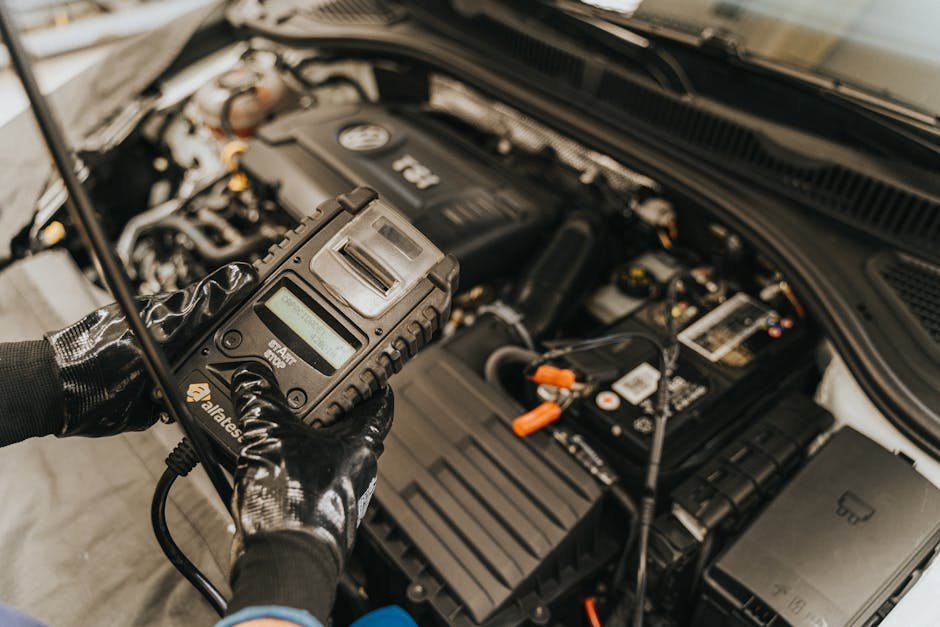
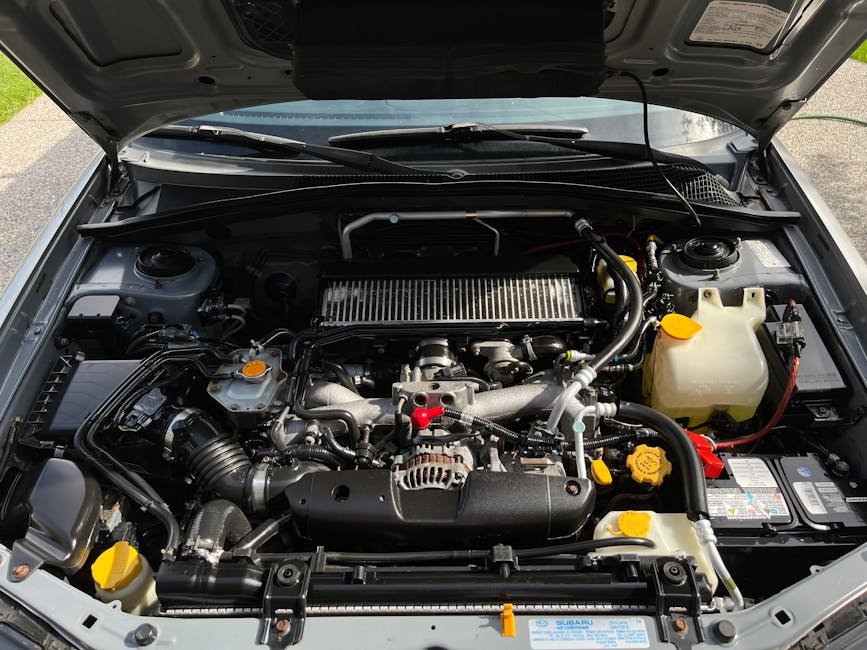
Regular vehicle maintenance is crucial for optimal fuel efficiency. A poorly maintained engine consumes more fuel. Start with regular oil changes using the manufacturer’s recommended oil type and viscosity. Clean engine oil lubricates internal components, reducing friction and improving efficiency. Replace air filters regularly. A clogged air filter restricts airflow to the engine, forcing it to work harder and consume more fuel. Consult your owner’s manual for the recommended replacement interval. Keep your spark plugs in good condition. Worn or fouled spark plugs can lead to incomplete combustion, reducing fuel efficiency and increasing emissions. Replace spark plugs according to the manufacturer’s recommendations. Ensure your engine is properly tuned. A poorly tuned engine can suffer from reduced fuel economy and increased emissions. Consider a tune-up if you notice any signs of engine problems, such as rough idling or decreased performance. Check your car’s oxygen sensor. A faulty oxygen sensor can disrupt the air-fuel mixture, leading to poor fuel economy. Have it inspected by a qualified mechanic if you suspect a problem.
Weight Reduction: Less is More When it Comes to Fuel Efficiency
Excess weight reduces fuel efficiency. The heavier your vehicle, the more energy it takes to accelerate and maintain speed. Remove any unnecessary items from your car, such as sports equipment, tools, or other belongings. Clean out your trunk and glove compartment regularly to eliminate unnecessary clutter. Avoid carrying heavy loads on your roof rack, as this significantly increases drag and reduces fuel economy. If you need to transport cargo, consider using a cargo carrier that mounts to the rear of your vehicle, as this creates less aerodynamic drag. Even small reductions in weight can make a noticeable difference in fuel economy over time. Be mindful of what you carry in your car and prioritize essential items only.
Aerodynamics: Reducing Wind Resistance for Better Mileage
Aerodynamic drag is a significant factor in fuel consumption, especially at higher speeds. Minimize wind resistance by keeping your windows closed when driving at highway speeds. Use air conditioning sparingly, as it increases fuel consumption. If possible, use the vent or recirculate settings to reduce the load on the air conditioning compressor. Avoid using roof racks or cargo carriers unless absolutely necessary, as they significantly increase drag. If you must use a roof rack, remove it when not in use. Park your car facing into the wind, as this can help reduce wind resistance and improve fuel economy. Consider adding aerodynamic enhancements, such as a rear spoiler or air dams, but be sure to choose products that are designed to improve fuel efficiency, not just aesthetics.
Fuel Quality and Additives: Optimize Your Fuel Choice
Use the correct octane fuel for your vehicle. Consult your owner’s manual for the recommended octane rating. Using a higher octane fuel than necessary won’t improve performance or fuel economy. Consider using fuel additives to clean your fuel injectors and improve combustion. Fuel injector cleaners can help remove deposits that can reduce fuel efficiency. Be sure to choose reputable brands and follow the instructions carefully. Avoid topping off your gas tank, as this can lead to fuel spills and wasted fuel. Stop filling when the pump clicks off automatically.
Trip Planning and Combination: Strategies for Efficient Travel
Combine errands into a single trip to minimize cold starts, which are less fuel-efficient. Plan your routes carefully to avoid congestion and minimize stop-and-go driving. Use GPS navigation to find the most direct and efficient route. Consider telecommuting or working from home to reduce your commute. Take advantage of public transportation, carpooling, or cycling for shorter trips. When possible, choose routes that minimize hills and inclines. Plan your trips during off-peak hours to avoid traffic congestion.
By implementing these proven methods, you can significantly improve your car’s fuel efficiency and save money at the pump. Small changes in driving habits, maintenance practices, and vehicle configuration can add up to substantial savings over time. Regularly monitor your fuel economy to track your progress and identify areas for further improvement.





Leave a Reply