
Here’s the article:
Brake Maintenance Tips for 2025: Keeping You Safe on the Road
Understanding the Modern Brake System (2025): Beyond the Basics
The year 2025 brings advancements in automotive technology, including brake systems. While the core principles remain, modern vehicles increasingly rely on electronic components and advanced materials. Antilock Braking Systems (ABS) are standard, and Electronic Stability Control (ESC) is ubiquitous. Regenerative braking in hybrid and electric vehicles (EVs) adds another layer of complexity. Understanding this evolution is crucial for effective brake maintenance.
1. Regular Visual Inspections: Your First Line of Defense
Schedule routine visual inspections of your brake system at least every six months, or more frequently if you drive aggressively or in demanding conditions (e.g., mountainous terrain, heavy traffic). Focus on the following:
- Brake Pads/Shoes: Check the thickness of the brake pads. Most pads have wear indicators; when the indicator touches the rotor, it produces a squealing sound. If the pads are worn down to the wear indicators, or less than 1/4 inch thick, they need immediate replacement. For drum brakes, visually inspect the brake shoes through the inspection hole, noting the lining thickness.
- Rotors/Drums: Examine the rotors (discs) for scoring, cracks, rust, and uneven wear. Minor scoring is normal, but deep grooves or cracks necessitate replacement. Check for runout (wobbling) which can indicate a warped rotor. Drums should be inspected for cracks, scoring, and proper roundness. Modern diagnostic tools can accurately measure rotor thickness and runout without removal.
- Brake Lines and Hoses: Inspect all brake lines and hoses for leaks, cracks, bulges, and corrosion. Pay close attention to connections. Rubber hoses can degrade over time, becoming brittle and prone to failure. Consider upgrading to stainless steel braided brake lines for increased durability and improved brake feel.
- Brake Fluid Reservoir: Check the brake fluid level in the reservoir. Low fluid could indicate a leak in the system. Also, visually inspect the fluid’s color. It should be a light amber color. Dark or murky fluid indicates contamination and requires flushing.
- Calipers and Wheel Cylinders: Inspect calipers (disc brakes) and wheel cylinders (drum brakes) for leaks around the seals. Damaged or leaking calipers and wheel cylinders can compromise braking performance and require immediate repair or replacement.
2. Brake Fluid: The Lifeblood of Your System
Brake fluid is hygroscopic, meaning it absorbs moisture from the air. This moisture lowers the boiling point of the fluid, making it susceptible to vapor lock (air bubbles forming in the lines), which significantly reduces braking effectiveness.
- Fluid Type: Use the correct type of brake fluid specified in your vehicle’s owner’s manual (DOT 3, DOT 4, DOT 5.1). Mixing different types can damage the brake system. DOT 4 and DOT 5.1 have higher boiling points than DOT 3, offering better performance, especially under heavy braking conditions. DOT 5 is silicone-based and is generally not compatible with ABS systems.
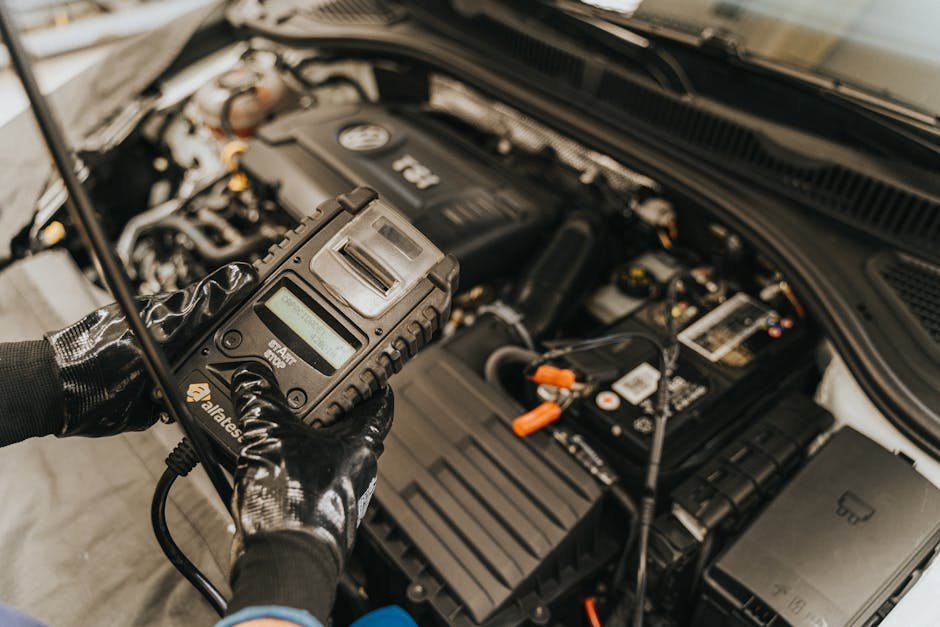
- Flush Regularly: Flush the brake fluid system every two to three years, or as recommended by the manufacturer. A brake fluid tester can measure the moisture content of the fluid, providing a more accurate indication of when a flush is necessary. Modern electronic pressure bleeders facilitate efficient and thorough flushing.
- Proper Bleeding: When replacing brake lines, calipers, or wheel cylinders, proper bleeding is essential to remove air from the system. Use the correct bleeding sequence (usually starting with the wheel farthest from the master cylinder).
3. Pad and Rotor Replacement: Choosing Quality and Performance
When replacing brake pads and rotors, prioritize quality and performance over price.
- Pad Material: Select brake pads based on your driving style and vehicle type. Ceramic pads offer low noise and dust, while semi-metallic pads provide better stopping power. Performance pads are designed for aggressive driving and track use. Research reviews and consult with a qualified mechanic.
- Rotor Selection: Choose rotors that meet or exceed the manufacturer’s specifications. Consider drilled and slotted rotors for improved heat dissipation and wet weather performance. Ensure the rotors are properly matched to the brake pads for optimal performance and longevity.
- Proper Installation: Follow the manufacturer’s instructions carefully when installing new pads and rotors. Clean the rotor surface with brake cleaner before installation. Apply brake grease to the backing plates of the pads to prevent squealing. Bed in the new pads and rotors by performing a series of controlled stops, as recommended by the manufacturer.
4. Addressing Noise and Vibration: Identifying the Source
Brake noise and vibration can indicate underlying problems.
- Squealing: Squealing is often caused by worn brake pads or glazed rotors. Sometimes, it can be due to vibrations between the pads and calipers. Applying brake grease to the backing plates can often resolve this issue.
- Grinding: Grinding noises usually indicate that the brake pads are completely worn down, and the metal backing plate is rubbing against the rotor. This requires immediate attention to prevent rotor damage.
- Pulsation: Pulsation in the brake pedal can indicate warped rotors or uneven wear. This requires rotor resurfacing or replacement. It could also be a symptom of an ABS malfunction.
- Vibration: Vibration in the steering wheel during braking can indicate worn suspension components, loose wheel bearings, or uneven rotor thickness. A thorough inspection of the suspension and brake system is necessary.
5. ABS and ESC System Maintenance: Electronic Stability is Key
Modern vehicles rely heavily on ABS and ESC systems for safe braking and handling.
- ABS Light: If the ABS warning light illuminates on the dashboard, it indicates a problem with the ABS system. This requires professional diagnosis and repair.
- Sensor Cleaning: ABS sensors can become contaminated with dirt and debris, affecting their performance. Clean the sensors regularly, especially if you drive in dusty or muddy conditions.
- Professional Diagnostics: Modern vehicles require specialized diagnostic tools to troubleshoot ABS and ESC system problems. Consult with a qualified mechanic who has experience with these systems.
6. Regenerative Braking Systems (Hybrids/EVs): A Different Approach
Hybrid and electric vehicles utilize regenerative braking to recover energy and extend driving range.
- Reduced Wear: Regenerative braking reduces the wear on traditional brake pads and rotors. However, the brake system still requires regular inspection and maintenance.
- Potential for Rust: Because the friction brakes are used less frequently, they can be more prone to rust, especially in humid climates. Periodically performing hard braking maneuvers can help remove rust buildup.
- Regenerative System Maintenance: The regenerative braking system itself may require occasional maintenance, such as checking the fluid levels in the hydraulic system. Consult with the vehicle’s owner’s manual for specific recommendations.
7. Advanced Driver-Assistance Systems (ADAS) Integration
Many modern vehicles integrate ADAS features with the braking system, such as automatic emergency braking (AEB) and adaptive cruise control (ACC).
- Calibration: After performing brake work, especially on vehicles with ADAS features, it may be necessary to recalibrate the ADAS system to ensure proper functioning.
- Sensor Alignment: Ensure that all sensors related to the ADAS system are properly aligned and calibrated after brake repairs.
- Professional Service: ADAS-related brake maintenance requires specialized equipment and expertise. Consult with a qualified technician who is familiar with ADAS technology.
8. The Importance of Professional Inspection:
While you can perform some basic brake maintenance tasks yourself, it’s essential to have your brake system professionally inspected by a qualified mechanic at least once a year. A professional inspection can identify potential problems that you might miss, ensuring your brakes are functioning safely and effectively.
9. Staying Informed: Continuous Learning is Crucial
The automotive industry is constantly evolving, and brake technology is no exception. Stay informed about the latest advancements in brake systems by reading industry publications, attending training courses, and consulting with qualified mechanics.
10. Safety First: Prioritize Your Well-being
Brake maintenance is not just about extending the life of your vehicle; it’s about ensuring your safety and the safety of others on the road. Prioritize brake maintenance and address any issues promptly. A well-maintained brake system is your best defense against accidents and injuries.






Leave a Reply