
Car Air Filter Replacement: The Ultimate Guide
Understanding the Crucial Role of Your Car’s Air Filter
The air filter, a humble component nestled within your car’s engine, plays a pivotal role in maintaining its health and performance. Its primary function is to trap dust, pollen, debris, insects, and other airborne contaminants before they enter the engine. Without a functioning air filter, these particles would wreak havoc, causing wear and tear, reduced fuel efficiency, and even significant engine damage. Think of it as the lungs of your vehicle, constantly filtering out impurities to ensure smooth and efficient operation. Understanding this fundamental role is the first step in appreciating the importance of regular air filter replacement.
Types of Car Air Filters: Choosing the Right One for Your Vehicle
Several types of car air filters are available, each with its own advantages and disadvantages. Selecting the right one depends on your driving conditions, budget, and desired level of filtration. Here’s a breakdown of the most common types:
-
Paper Filters: These are the most common and typically the least expensive option. Paper filters are made from pleated paper and offer adequate filtration for normal driving conditions. However, they tend to clog quickly and may not be suitable for dusty environments.
-
Foam Filters: Foam filters are often used in off-road vehicles due to their ability to trap larger particles. They are washable and reusable, making them a more environmentally friendly option. However, they require regular cleaning and may not filter as effectively as paper or synthetic filters.
-
Cotton Gauze Filters: These filters are made from multiple layers of oiled cotton gauze. They offer excellent airflow and filtration and are often favored by performance enthusiasts. Cotton gauze filters are also washable and reusable, but they require specialized cleaning and oiling kits. Oiling is crucial as it traps dirt. If not done correctly, it can lead to sensor issues, particularly with mass airflow (MAF) sensors.
-
Synthetic Filters: Synthetic filters are made from synthetic fibers and offer superior filtration compared to paper filters. They can trap smaller particles and last longer. While they are generally more expensive than paper filters, their improved performance and longevity may justify the cost.
-
Electrostatic Filters: These filters use an electrostatic charge to attract and trap particles. They offer excellent filtration and are often used in vehicles with sensitive electronic components. However, they can be more expensive than other types of filters.
Consult your car’s owner’s manual to determine the recommended type of air filter for your specific make and model.
Recognizing the Signs: When to Replace Your Car Air Filter
Knowing when to replace your car air filter is crucial for maintaining optimal engine performance. Here are some telltale signs that it’s time for a replacement:
-
Reduced Fuel Efficiency: A clogged air filter restricts airflow to the engine, forcing it to work harder and consume more fuel. If you notice a significant drop in your gas mileage, a dirty air filter may be the culprit.
-
Decreased Acceleration: A lack of airflow can also impact your car’s acceleration. If your car feels sluggish or takes longer to reach desired speeds, a clogged air filter could be to blame.
-
Engine Misfires: In severe cases, a severely clogged air filter can cause engine misfires. This occurs when the engine doesn’t receive enough air to properly combust the fuel.
-
Black Smoke or Soot from the Exhaust: This is a sign of incomplete combustion, often caused by a lack of airflow.
-
Check Engine Light: A clogged air filter can trigger the check engine light in some vehicles.
-
Visible Dirt and Debris: Regularly inspect your air filter. If it’s visibly dirty, covered in debris, or shows signs of damage, it’s time for a replacement.
-
Recommended Service Interval: Your car’s owner’s manual will provide a recommended service interval for air filter replacement. Adhere to this schedule, or replace it more frequently if you drive in dusty or polluted conditions.
Tools and Materials Required for Air Filter Replacement
Replacing your car’s air filter is a relatively simple task that can be done at home with a few basic tools and materials. Here’s what you’ll need:
- New Air Filter: Make sure to purchase the correct air filter for your specific make and model.
- Screwdriver (Phillips or Flathead): Depending on the design of your air filter housing, you may need a screwdriver to remove screws or clips.
- Wrench (if necessary): Some air filter housings are secured with bolts that require a wrench.
- Gloves: To protect your hands from dirt and grime.
- Shop Towels: For cleaning up any spills or messes.
- Vacuum Cleaner (optional): To clean out the air filter housing.
Step-by-Step Guide to Replacing Your Car Air Filter
This is a general guide; always consult your car’s repair manual for specific instructions.
-
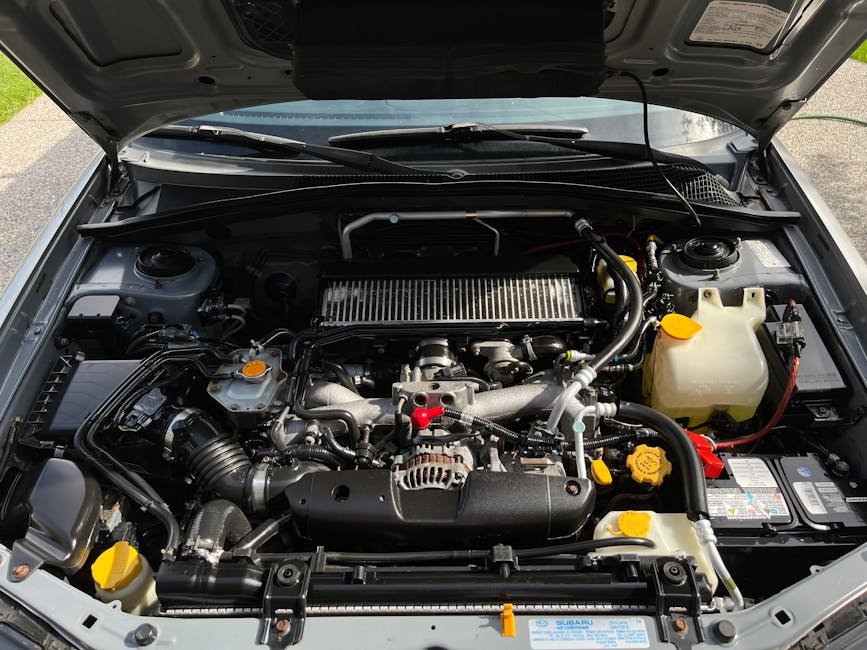
Locate the Air Filter Housing: The air filter housing is typically a black plastic box located under the hood, near the engine. Consult your owner’s manual if you’re unsure of its location.
-
Open the Air Filter Housing: Depending on the design of the housing, you may need to unscrew screws, unclip clips, or loosen bolts.
-
Remove the Old Air Filter: Carefully remove the old air filter from the housing. Pay attention to how it’s oriented so you can install the new filter correctly.
-
Clean the Air Filter Housing: Use a vacuum cleaner or shop towels to clean out any dirt, dust, or debris from the air filter housing.
-
Install the New Air Filter: Insert the new air filter into the housing, making sure it’s properly seated and oriented correctly. The arrow on the filter will typically point toward the engine.
-
Close the Air Filter Housing: Secure the air filter housing by replacing the screws, clips, or bolts that you removed earlier.
-
Double-Check Your Work: Ensure that the air filter housing is properly sealed and that all screws, clips, or bolts are tightened.
Troubleshooting Common Issues
Even with careful preparation, you might encounter some minor challenges.
-
Stuck Screws or Clips: If screws or clips are stuck, try applying penetrating oil and letting it sit for a few minutes before attempting to remove them.
-
Incorrect Air Filter Size: Double-check that you have the correct air filter for your vehicle. If it’s too small or too large, it won’t fit properly.
-
Damaged Air Filter Housing: If the air filter housing is cracked or damaged, it may need to be replaced.
-
Check Engine Light Stays On: If the check engine light stays on after replacing the air filter, it may indicate a different problem. Consult a qualified mechanic.
Extending the Life of Your Car Air Filter
While regular replacement is essential, you can take steps to extend the life of your car air filter:
-
Avoid Dusty Environments: If possible, avoid driving in excessively dusty or polluted environments.
-
Regular Inspections: Inspect your air filter regularly and replace it as needed.
-
Proper Maintenance: Maintain your car’s engine properly to reduce the amount of contaminants that enter the air filter.
-
Consider a Higher Quality Filter: Investing in a higher-quality air filter can provide better filtration and last longer.
By following these tips, you can ensure that your car’s air filter is always functioning optimally, protecting your engine and maintaining its performance for years to come.







Leave a Reply